


How to Stay Focused and Confident in a Competitive School
In competitive schools, it’s easy to get distracted by comparison. But your performance depends less on who’s around you and more on where your attention goes.

Your Test Is Tomorrow. Here’s What to Do (If You Have to Cram)
Your test is tomorrow and there’s too much to cover. Here’s how to study in a way that actually works without burning out or pulling an all-nighter.
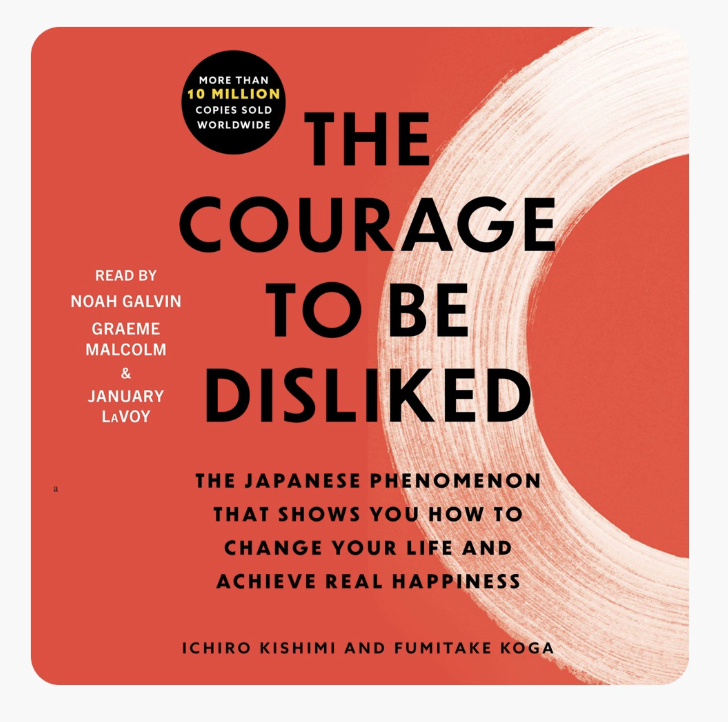
Adlerian Psychology in Education: What The Courage to Be Disliked Teaches Teachers About Motivation
How does Adlerian psychology apply to education? This article explores what The Courage to Be Disliked reveals about student motivation, intrinsic learning, and why autonomy and responsibility matter in classrooms.
Why Making Your Own Study Guide Is the Most Effective Way to Learn
Most students think studying is about reviewing notes. In reality, learning happens when you create them. Here’s why making your own study guide is the key to real understanding.

Why You Should Still Take the SAT Even If Colleges Are Test Optional
Test-optional does not mean test-irrelevant. As grade inflation rises and AI tools reshape the college application process, the SAT may be becoming more important again.
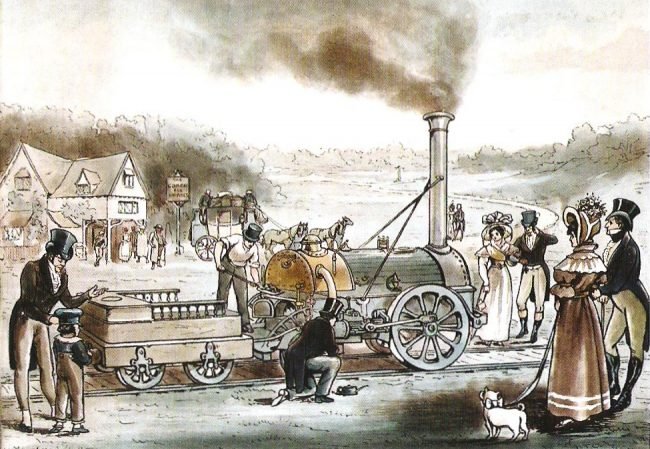
When the Future Feels Uncertain: A History Critical Thinking Warm-Up
A quick critical thinking warm-up where students analyze a primary source from the Industrial Revolution and reflect on how people react when new technologies change the world. Then they connect those reactions to today’s rapidly evolving technologies like artificial intelligence.

Why Too Much Information Makes Truth Harder to Find
In an age of misinformation and information overload, how do we know what’s true? This essay explores Hannah Arendt’s warning about propaganda, the cognitive limits of attention, and why the scientific method offers a powerful mindset for critical thinking and truth-seeking.
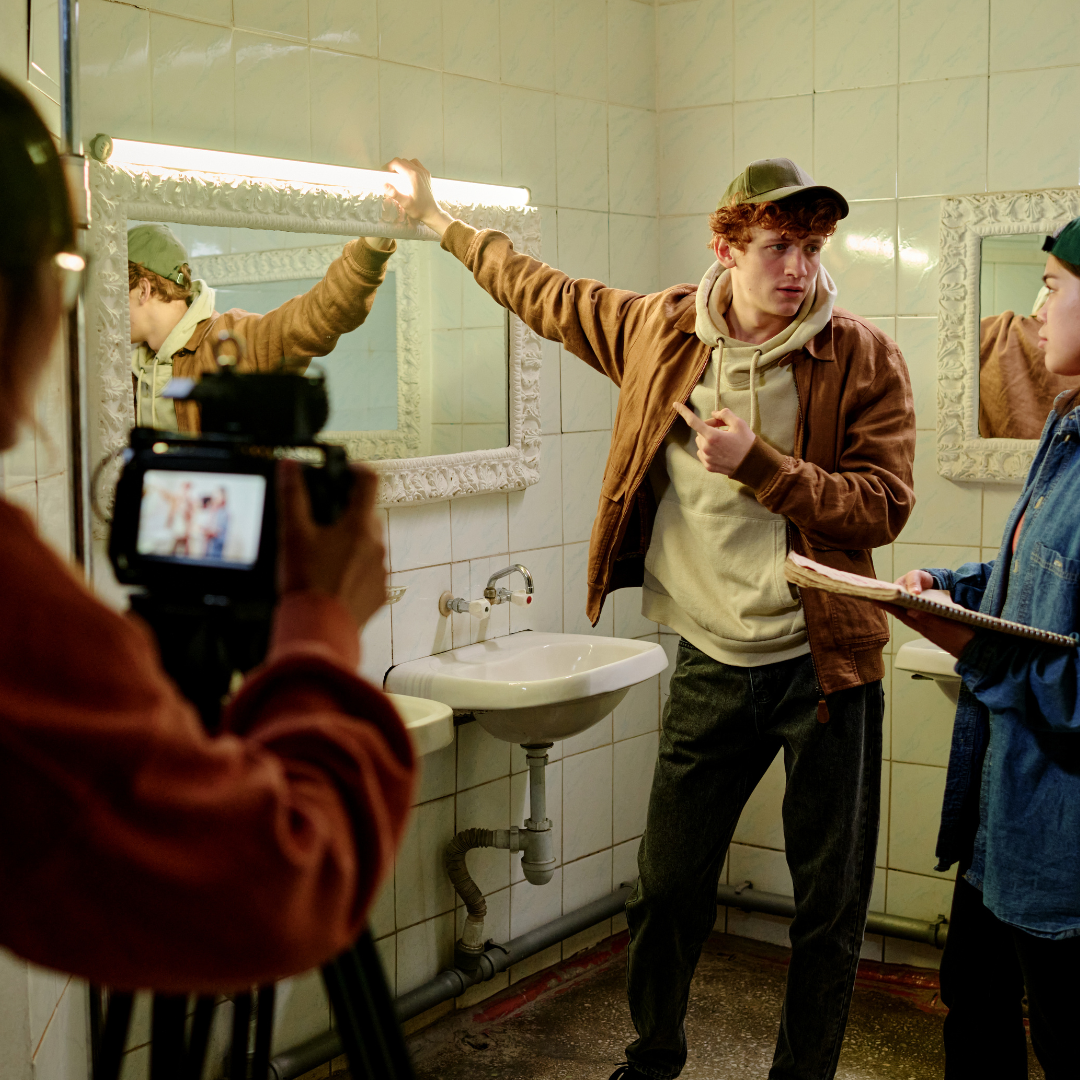
Online Tutor for Homeschool and Student Actors: Flexible, Rigorous, and Supportive Learning
Families searching for an online tutor often need flexibility without sacrificing rigor. This article explains what to look for in an online tutor for homeschool students and student actors, emphasizing self-reliance, high expectations, patience, and personalized learning. Drawing on eight years of experience and a cognitive science background, MyTotalTutor supports students with nontraditional schedules while helping them learn how to learn and succeed independently.
Oh, So Bored and Creative: Why Boredom Builds Better Learners (and Better Attention)
Boredom is not a problem to eliminate. Research links boredom and mind-wandering to creative incubation, and shows that constant “digital switching” can increase boredom while reducing attention and meaning. This article explains why learning should not rely on nonstop stimulation, how short-form video habits can shape attention and distractibility, and how students can rebuild focus with practical “boredom reps.” At MyTotalTutor, we teach self-reliance: how to think clearly, research well, and learn even when motivation is low.

How to Pick the Right Tutor: Why You Should Never Feel Embarrassed for Asking Questions
Choosing the right tutor is about more than subject knowledge. Students learn best when they feel safe asking questions, supported without shame, and challenged with high expectations. Drawing on eight years of tutoring experience and research on teacher expectations, this guide explains how to identify tutors who build confidence, analyze how students think, and teach resourcefulness rather than dependence. At MyTotalTutor, tutoring focuses on helping students learn how to learn so they can succeed independently.
What to Do When Your Teacher Isn’t Helping (And Why This Matters More Than You Think)
Many students struggle not because their teacher is “bad,” but because they haven’t learned how to be resourceful when instruction doesn’t click. In this guide, an experienced K–12 tutor with a background in cognitive science explains how students can learn to research effectively, think critically, and build self-reliance when they feel stuck. These learning strategies help students succeed across subjects and beyond school.
How to Find the Limiting Reactant in a Chemical Reaction (Honors Chem, Step by Step)

In the Age of AI, Writing Is the Real Literacy

The Ultimate Guide to Building a College List That Works for You
Building a college list doesn’t have to be overwhelming. By dividing schools into reach, match, and safety categories—and considering academic, social, and financial fit—you can create a balanced list that reflects your goals and gives you solid options come decision time.

FAFSA Made Simple: A Step-by-Step Guide for First-Time Filers
Filling out FAFSA doesn’t have to be stressful! Follow this step-by-step guide to understand what you need, how to fill out the form, and tips to maximize your chances of getting financial aid

How to Make Your College Application Stand Out Beyond the Essay
Your college application is more than just your essay. Learn how to maximize each section to craft an application that stands out.

Tips for Writing College Essays: Zoom in/ Zoom out method
Overcoming challenges requires both personal reflection and growth. In this essay example, we explore how the 'Zoom In, Zoom Out' method can help you balance specific life moments with broader reflections on your character and achievements

How to Write Your UC Activities List for College Applications
Writing a standout UC Activities List is key to a strong application. Learn how to highlight your extracurriculars, work experience, and leadership roles using action-oriented language and a strategic approach

How to Ask Your Teacher for a Letter of Recommendation
Need a letter of recommendation but worried your teacher doesn’t know you well? Learn how to ask effectively and provide a recommendation packet that helps your teacher write a strong letter reflecting who you are, both in and out of the classroom.
